
AI can generate an image in seconds, write a script, produce a voice-over, build a storyboard and explore dozens of creative directions before a traditional process has completed its first presentation.
It is easy to see this shift as a threat to creativity. We see it differently.
AI has not made creativity less valuable. It has removed many of the technical barriers that once surrounded it. And when competent execution becomes available to almost everyone, simply producing something polished is no longer enough.
The result is not that everyone has become creative. It is that everyone can now produce something that looks creative.
That distinction matters.
AI can generate endless possibilities, but possibility without direction quickly becomes noise. A beautiful image is not necessarily a good idea. A polished video is not necessarily effective communication. And a logo that looks appropriate for its category is not necessarily an identity that belongs to the brand.
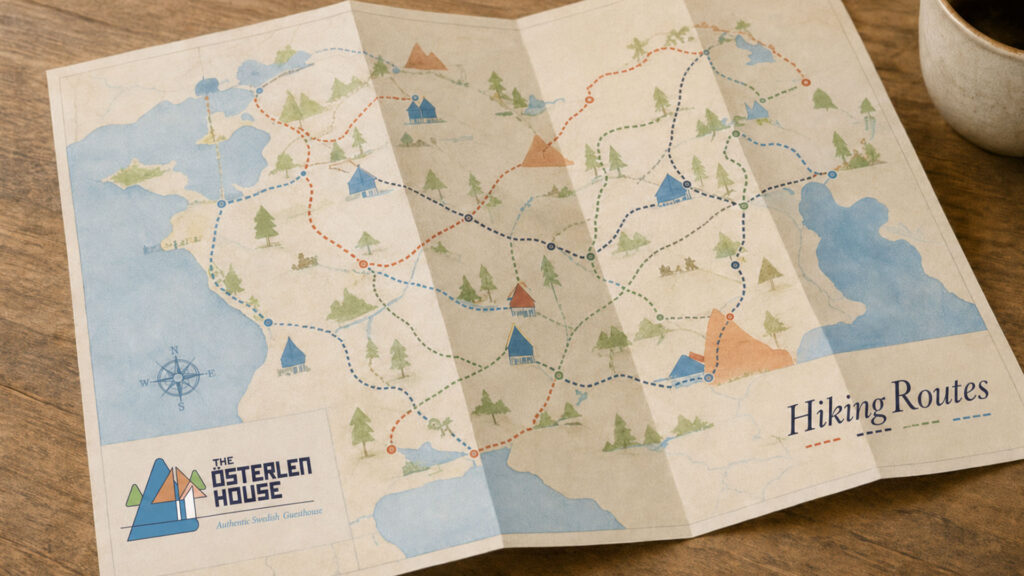
Let’s talk about a recent identity exercise (project) for The Österlen House, an authentic Swedish guesthouse. AI was given a clear brief and asked to propose logo directions. Within moments, it produced a wide range of visually convincing options: mountains, cottages, pine trees, flowers, traditional emblems and Scandinavian-inspired color palettes.
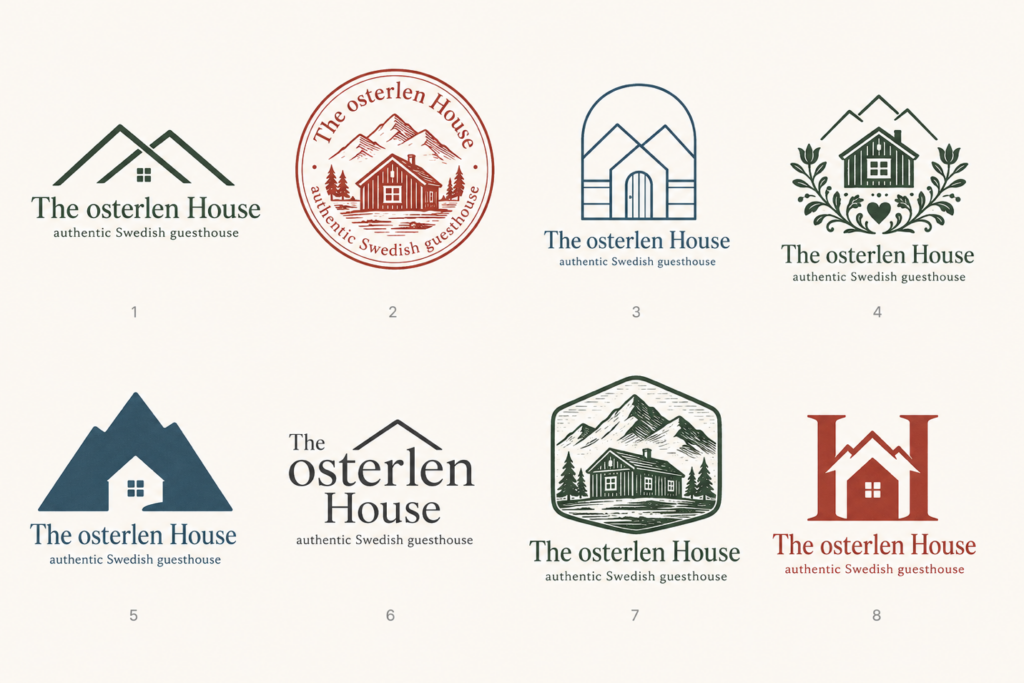
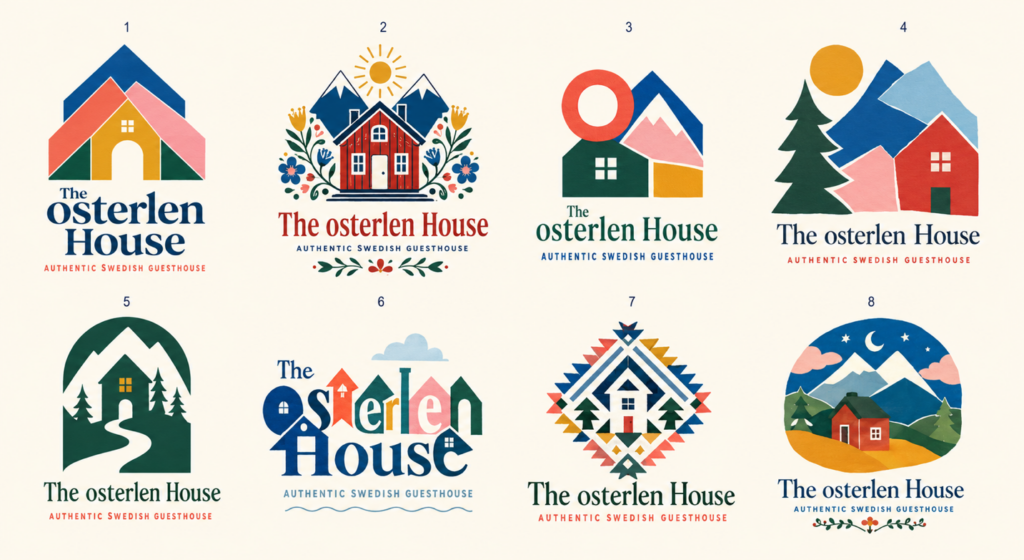
At first glance, many of the results looked complete. They communicated “Swedish,” “guesthouse” and “nature” immediately. But that was also their limitation. The concepts relied on familiar visual symbols and repeated the brief rather than interpreting it. They could have belonged to many guesthouses in many places. Some even struggled with the correct spelling and typography of the name.
AI had generated answers, but it had not made a decision.
The identity created by Black Star Strategies started with the same ingredients but treated them differently. The architecture and surrounding landscape were reduced into a distinctive geometric symbol. The forms connect rather than sit beside one another, giving the mark its own visual logic. The typography brings a contemporary Scandinavian character, while the contrasting subtitle adds warmth and a sense of hospitality.
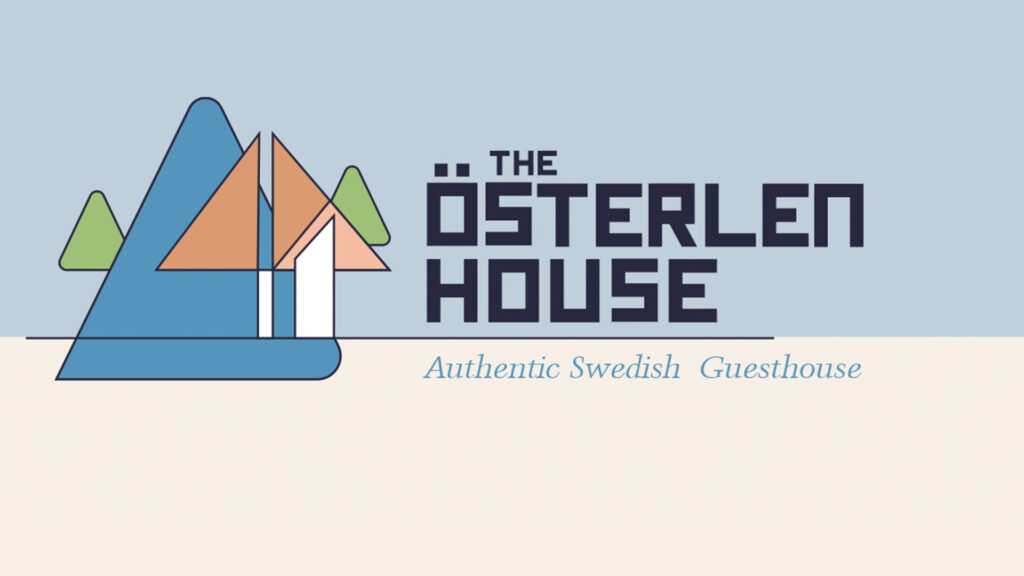

The difference is not simply that one result was made by AI and the other by people. AI can be part of both processes. The difference is between generating visual options and building a reasoned identity.
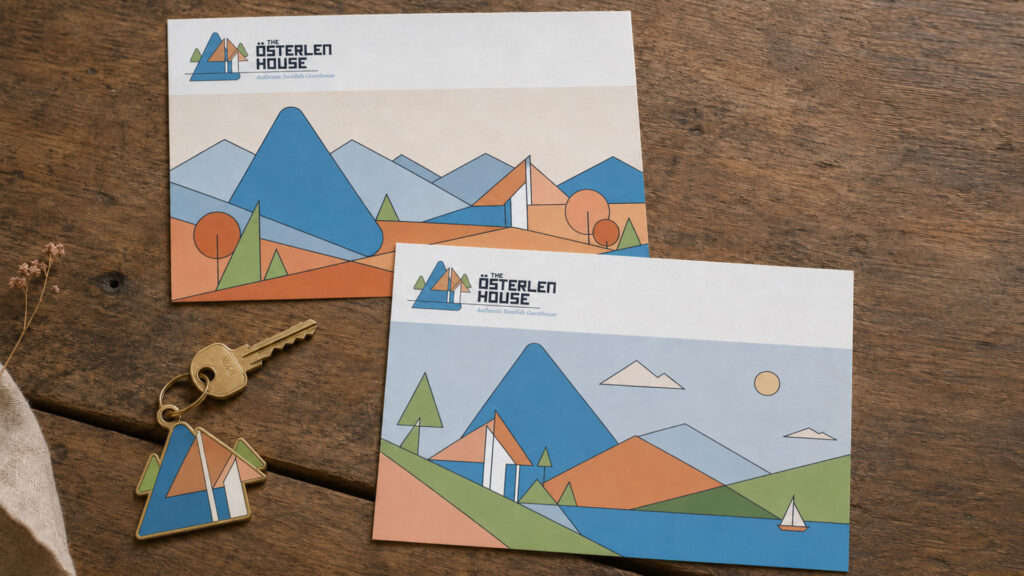
The first shows what the brand is. The second begins to define how the brand should be remembered.
This is where the value of creative work is moving. When a team can generate fifty directions in the time it once took to develop five, the challenge is no longer producing options. It is recognizing which option deserves to exist. That requires judgment, context, experience and taste.
At Black Star Strategies, we use AI throughout the creative process. It helps us explore ideas, test visual territories and move more freely between branding, communication, animation, video and digital experiences. But speed is not the objective, and more output is not the objective. AI is most useful when it gives an idea more room to develop, not when it replaces the need for one.
The temptation is to let the tool lead: an impressive visual appears, and a concept is built around it afterward. Effective communication works in the opposite direction. The idea must lead. The technology should serve it.
As AI-generated content becomes more polished, polished content becomes less remarkable. What remains rare is relevance, originality and the ability to make the right decision among thousands of possible ones.
AI did not lower the value of creativity. It exposed where that value truly lives.
The tools became faster. The possibilities became larger. The barrier to entry became lower.
But the standard became higher.